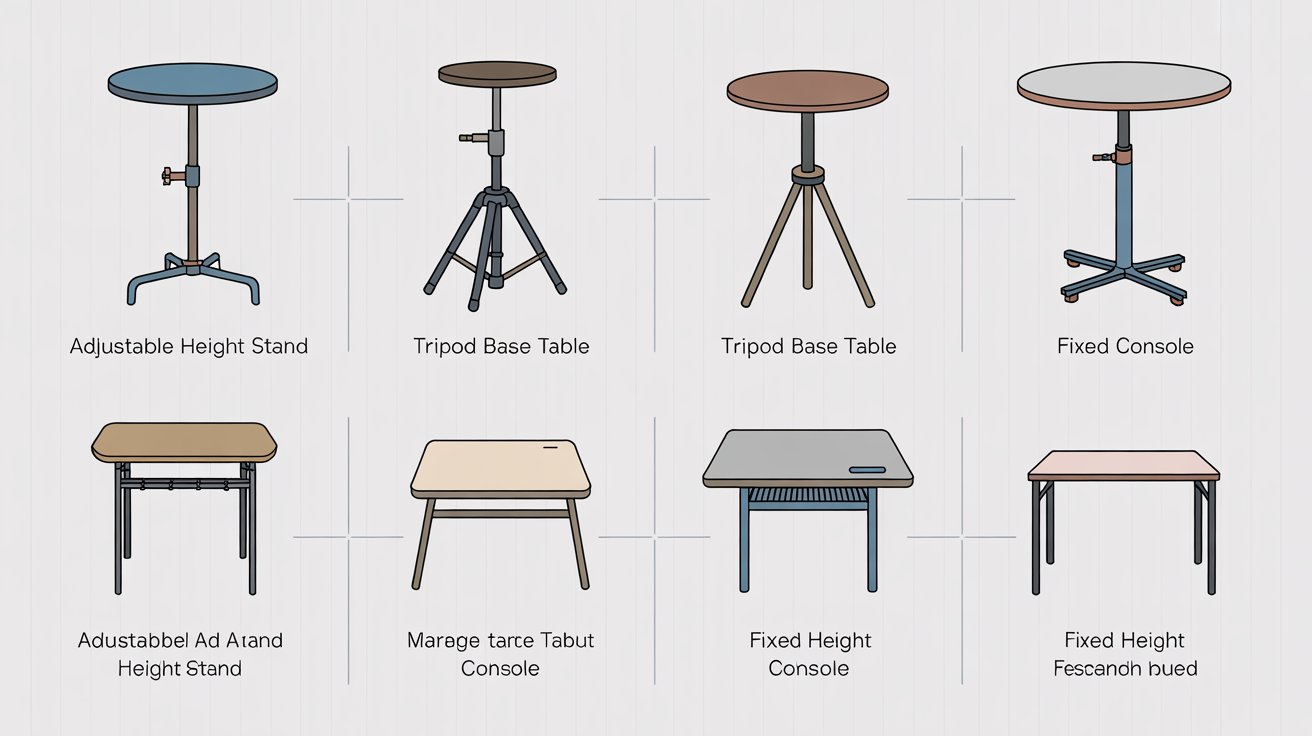
Table Stand Guide – Types, Strength, Materials & Best Use Cases
In modern furniture design, the table stand plays a crucial role in both structural support and visual appeal. Whether it’s a workstation, dining table, study desk, or commercial furniture piece, the table stand determines the stability, durability, and overall style of the furniture.
Today, furniture manufacturers, carpenters, and interior designers carefully choose table stands based on strength, material quality, design compatibility, and usage requirements. A well-chosen table stand not only ensures long-term durability but also enhances the functionality and aesthetics of the furniture.
At RIMS Seiko, table stands are designed to meet the evolving needs of modular furniture manufacturers, carpenters, and interior designers. This guide explores the types of table stands, materials used, strength considerations, and the best use cases to help you select the right solution for your furniture projects.
What Is a Table Stand?
A table stand is a furniture hardware component that supports the tabletop and maintains balance and stability. It acts as the base structure that distributes weight evenly while ensuring the furniture remains strong and safe during daily use.
Table stands are widely used in:
- Office desks
- Dining tables
- Study tables
- Coffee tables
- Conference tables
- Commercial furniture
In modern interiors, table stands are not just structural elements—they also contribute significantly to design aesthetics and workspace ergonomics.
Why Choosing the Right Table Stand Matters
Selecting the right table stand is essential for both performance and appearance.
1. Structural Stability: A strong table stand prevents wobbling and ensures the furniture remains stable even under heavy loads.
2. Long-Term Durability: Quality table stands can handle continuous use, making them ideal for offices, restaurants, and commercial spaces.
3. Aesthetic Enhancement: Modern table stand designs complement contemporary interiors and furniture styles.
4. Functional Flexibility: Different stand types allow customization based on furniture size, shape, and usage.
Therefore, choosing the right table stand ensures both reliability and visual harmony in furniture design.
Types of Table Stands Used in Furniture
Different types of table stands are designed for specific furniture requirements. Understanding these types helps in selecting the most suitable option.
1. Fixed Table Stands
Fixed table stands are the most commonly used type in furniture manufacturing.
Features
- Simple and durable design
- Strong load-bearing capacity
- Ideal for permanent furniture setups
Best Use Cases
- Office desks
- Dining tables
- Study tables
- Restaurant tables
Because of their reliability and strength, fixed stands are widely used in residential and commercial furniture.
2. Adjustable Table Stands
Adjustable stands allow users to modify the table height based on comfort and functionality.
Features
- Height adjustment mechanism
- Ergonomic workspace support
- Suitable for flexible environments
Best Use Cases
- Workstations
- Study desks
- Standing desks
- Co-working spaces
Adjustable table stands are especially popular in modern offices and ergonomic furniture designs.
3. Folding Table Stands
Folding stands are designed for furniture that needs portability and space-saving features.
Features
- Foldable structure
- Easy storage
- Lightweight yet strong
Best Use Cases
- Event tables
- Training tables
- Temporary workstations
These stands are perfect for environments where flexibility and mobility are important.
4. Designer Table Stands
Designer table stands focus on visual aesthetics along with strength.
Features
- Modern geometric designs
- Premium finishes
- Decorative appeal
Best Use Cases
- Coffee tables
- Luxury dining tables
- Boutique furniture
These stands help interior designers create unique and stylish furniture pieces.
Materials Used in Table Stands
The material used in table stands directly affects strength, durability, and design compatibility.
1. Metal Table Stands
Metal stands are among the most popular choices in modern furniture.
Advantages
- High load-bearing strength
- Long-lasting durability
- Suitable for contemporary designs
Common metals include:
- Steel
- Stainless steel
- Powder-coated metal
Metal stands are ideal for offices, industrial furniture, and heavy-duty tables.
2. Aluminum Table Stands
Aluminum stands offer a balance between strength and lightweight construction.
Advantages
- Corrosion resistance
- Lightweight design
- Sleek modern appearance
They are commonly used in portable furniture and modular setups.
3. Wooden Table Stands
Wooden stands provide a classic and natural look.
Advantages
- Traditional aesthetics
- Warm interior appeal
- Strong structural support
They are widely used in luxury residential furniture and handcrafted pieces.
4. Hybrid Material Table Stands
Some modern stands combine metal frames with wooden or engineered panels.
This combination provides:
- Strength from metal
- Aesthetic warmth from wood
As a result, hybrid stands are often used in premium furniture designs.
Strength & Load Capacity Considerations
When selecting a table stand, evaluating its load-bearing capacity is extremely important.
Factors That Affect Strength
- Material thickness
- Design structure
- Joint quality
- Weight distribution
For example:
- Office desks require moderate load capacity.
- Dining tables need stronger stands for multiple users.
- Industrial worktables require heavy-duty support.
Therefore, choosing a stand with the right structural strength ensures safety and long-term durability.
Best Use Cases for Table Stands
Table stands are used across various furniture applications.
Residential Furniture
- Dining tables
- Study desks
- Coffee tables
- Console tables
Office Furniture
- Workstations
- Conference tables
- Training desks
Commercial Furniture
- Restaurant tables
- Hotel furniture
- Retail display tables
Industrial Applications
- Workbenches
- Workshop tables
Because of this wide range of applications, table stands remain one of the most versatile furniture hardware components.
Why Choose RIMS Seiko Table Stands?
At RIMS Seiko Furniture Hardware & Fittings, table stands are engineered to meet the needs of modern furniture manufacturing and interior projects.
Key Advantages
- Strong and durable construction
- Precision-engineered designs
- Compatibility with modular furniture systems
- Modern finishes suitable for contemporary interiors
- Reliable performance for daily use
RIMS Seiko focuses on delivering high-quality furniture fittings that combine durability, functionality, and design excellence.
As a result, carpenters, furniture manufacturers, and interior designers trust RIMS Seiko products for consistent performance and professional results.
Also Read: How to Use UV Disinfection Cabinets for Salon Tools Safely
Tips for Choosing the Right Table Stand
Before selecting a table stand, consider the following factors:
Table Size: Larger tables require stronger and wider stands for stability.
Load Requirements: Evaluate the expected weight the table will carry.
Design Compatibility: Choose stands that match the furniture style and interior theme.
Material Quality: Higher-quality materials ensure long-lasting performance.
Installation Ease: Select stands that allow smooth installation and secure mounting.
By considering these factors, furniture professionals can ensure optimal functionality and design harmony.
Maintenance Tips for Table Stands
Proper maintenance extends the lifespan of table stands.
Maintenance Tips
- Regularly tighten mounting screws
- Clean metal surfaces to prevent corrosion
- Avoid excessive weight beyond capacity
- Inspect joints periodically
These simple steps help maintain the strength and appearance of table stands for years.
Final Thoughts
Table stands are essential components in furniture construction, providing stability, durability, and aesthetic value. Whether used in residential, commercial, or office furniture, selecting the right stand ensures better performance and long-term reliability.
By understanding the types, materials, strength factors, and best use cases, carpenters and designers can make informed decisions when selecting table stands for their projects.
With RIMS Seiko furniture hardware and fittings, professionals gain access to reliable, durable, and well-designed table stand solutions that enhance both furniture performance and design appeal.
FAQs – Table Stands for Furniture
1. What is a table stand in furniture hardware?
Ans: A table stand is a support structure that holds the tabletop and ensures stability, balance, and load distribution in furniture.
2. What materials are commonly used for table stands?
Table stands are typically made from steel, stainless steel, aluminum, wood, or hybrid material combinations.
3. Which table stand is best for office desks?
Metal or adjustable table stands are usually best for office desks because they offer durability and ergonomic flexibility.
4. Are adjustable table stands suitable for homes?
Yes, adjustable table stands are great for study tables and work-from-home desks as they allow height customization.
5. Why are metal table stands popular?
Metal table stands are popular due to their strength, durability, and compatibility with modern furniture designs.
6. Can table stands support heavy furniture?
Yes, heavy-duty table stands are designed to support large dining tables, conference tables, and workbenches.
Also Read Our Related Blogs:
- Essential Furniture Fittings Every Carpenter & Interior Designer Needs
- Foot Massager Tubs – Benefits, Features & Best Models for Salons
- How to Choose the Right Bidding / Edge Banding for Furniture Finishing
- Towel Warmer Buying Guide for Spa & Salon Owners
- How to Choose the Right Staple Pins for Upholstery & Woodwork
- Salon Professional Steamer: Benefits of Facial Steamers for Deep Skin Cleansing
- Chair Lifter Mechanisms Explained – Perfect for Recliners & Adjustable Chairs
- Furniture Locks for Cabinets & Wardrobes – Types & Security Features
- Why Magnifying Lamps Are Essential for Skin Treatment Professionals
- Complete Guide to Choosing & Setting Up Professional Massage Beds